Divorce disputes are a common type of dispute in marriage and family relations, and are increasingly increasing in today's life. When divorcing, if the parties cannot reach an agreement, a number of major disputes will arise such as: disputes over marital relations (emotions), disputes over child custody, and disputes over property.
Divorce disputes are a common type of dispute in marriage and family relations, and are increasingly increasing in today's life. When divorcing, if the parties cannot reach an agreement, a number of major disputes will arise such as: disputes over marital relations (emotions), disputes over child custody, and disputes over property.

1. Civil Code 2015
2. Civil Procedure Code 2015
3. Law on Marriage and Family 2014
4. Decree 126/2014/ND-CP guiding the implementation of the Law on Marriage and Family
5. Resolution No. 02/2004/NQ-HDTP guiding the application of law in resolving civil, marriage and family cases
- Concept of Divorce: According to Clause 14, Article 3 of the 2014 Law on Marriage and Family, “Divorce is the termination of the marital relationship according to a legally effective judgment or decision of the Court”.
- Divorce Disputes: According to Clause 1, Article 28 of the 2015 Civil Procedure Code, divorce disputes are disputes over the rights, interests and legal obligations of the subjects in the legal relationship of marriage and family when they cannot reach an agreement.
.jpg)
1. Disputes over Child Custody
- Agreement Between the Two Parties: The top priority is the agreement on who will directly raise the child after the divorce. The Court will decide based on the best interests of the child.
- Material Factors: The financial capacity of the parent to provide for the costs of accommodation, education, health care and entertainment.
- Spiritual Factors: Morality, dignity and the ability to spend time taking care of the child.
- Stable Residence Factor: The party wishing to gain custody of the child must have a stable residence.
Children aged 7 years and older will have their wishes considered. Children under 36 months of age will usually be given to the mother to raise, unless the mother is not qualified.

2. Disputes over Common Property
- Principle of Division: Property is divided in half, but many other factors may be considered in each specific case.
- Determination of Common Property: The Court must clearly determine the common property and the rights and obligations of the spouses in relation to third parties.
1. No Foreign Element
- District People's Court: Where the defendant resides or works, has jurisdiction to resolve.
- Agreement Between the Parties: If the parties reach an agreement, the Court where the plaintiff resides may be requested to resolve.
2. Foreign Elements
- Provincial People's Court: Resolves disputes involving parties or assets abroad or requiring judicial authorization.
- Special Cases: District People's Court resolves disputes between Vietnamese citizens and citizens of neighboring countries residing in border areas.
- Petition
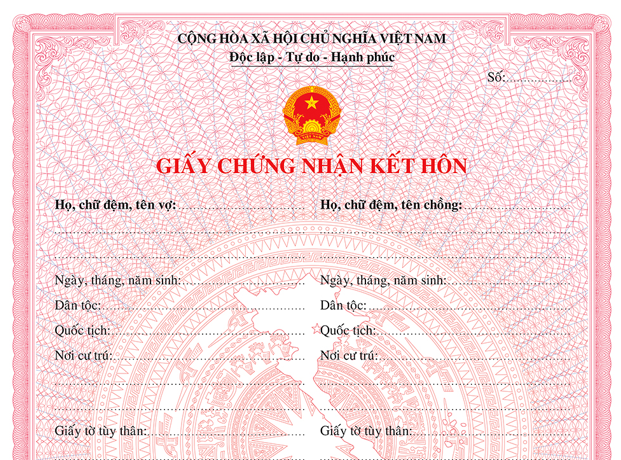
- Marriage registration (original) or Divorce extract
- Household registration (notarized copy)
- Birth registration of children (copy)
- Citizen identification card (copy)
- Joint property documents and joint obligations (if any)
- Proof of income, stable residence
1. Submit a lawsuit to the People's Court of competent jurisdiction.
2. Pay an advance payment of court fees.
3. The Court accepts and proceeds to resolve the lawsuit request.
If you need legal assistance, please contact a lawyer from the beginning for advice and support on related procedures.
A.D.V.N LAW OFFICE
- Address: F2&F3, No. 2 Phung Khac Khoan, Da Kao Ward, District 1, Ho Chi Minh City
- Phone: 0903.693.301 – 0909.393.329
- Email: vanphongluatsuadvn@gmail.com; advnlaw@gmail.com
We are committed to accompanying you to protect your legal rights and resolve disputes most effectively.
.jpg "CÔNG TY LUẬT TNHH A.D.V.N")





, disputes over child custody, and disputes over property.&)